The energy transition is entering a new phase
The energy transition is evolving into a far more complex system, where growth is no longer driven solely by renewable generation, but by the ability to integrate multiple technologies and manage an increasingly electrified network.
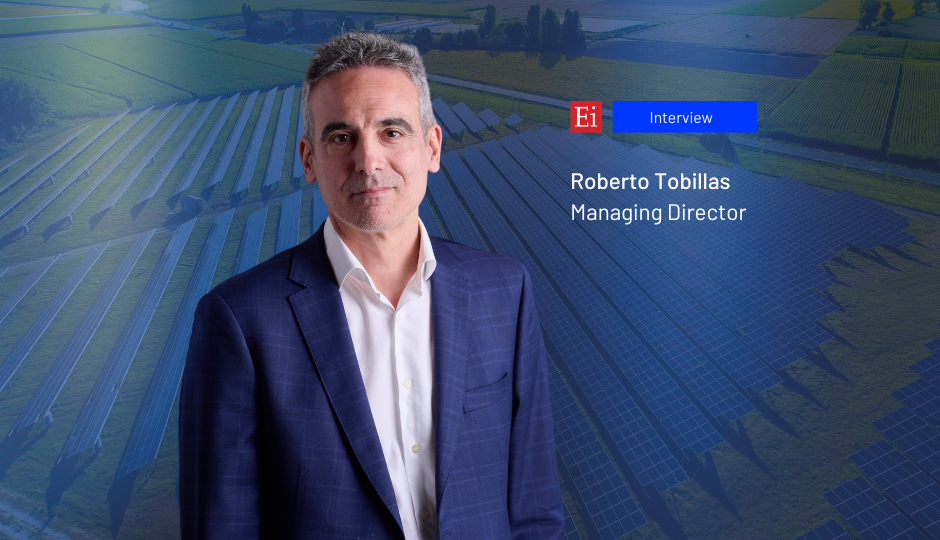
In a recent interview published in Estrategias de Inversión, Roberto Tobillas, General Manager of DOMINION, outlines the main trends shaping the sector and the opportunities that will define energy development in the coming years.
Beyond renewables: a more complex energy system
While renewable energy will continue to expand, the real challenge lies in managing its variability and ensuring system stability.
This shift requires progress across three key areas:
- Smart power grids
- Energy storage solutions
- System-wide digitalization
Growth will come from combining these elements into a more flexible, efficient, and resilient energy system.
Storage and grids: the backbone of the transition
One of the biggest challenges in the energy transition is balancing supply and demand in a system increasingly reliant on variable renewable sources.
In this context:
- Energy storage, especially battery solutions, enables better energy management
- Power grids become critical infrastructure to support a more distributed system
Looking ahead to 2030, investment in grids, storage, and digitalization is expected to accelerate—particularly in Europe, where electrification will play a central role in economic growth.
DOMINION’s end-to-end model: a key differentiator
As projects become more complex, the ability to manage the full lifecycle of energy infrastructure is a major competitive advantage.
DOMINION positions itself as an industrial partner capable of delivering across all phases:
- Engineering and design
- Financing
- Construction
- Operation and maintenance
This end-to-end model reduces complexity, improves execution timelines, and optimizes costs in increasingly sophisticated energy projects.
Growth will come from the combination of renewables, grids, storage, and technology. In this context, our ability to integrate every phase of a project allows us to optimize both investment and execution in an increasingly complex environment.

Roberto Tobillas
| Managing Director
Global opportunities: electrification as a growth driver
Electrification is emerging as one of the main growth drivers worldwide.
Opportunities vary by region:
- Europe: strong focus on grids, storage, and digitalization
- Latin America: growth driven by hybrid projects and rising demand
- Africa: infrastructure development with direct economic and social impact
DOMINION focuses on markets where renewable potential, regulatory frameworks, and infrastructure investment needs are aligned.
A model focused on efficiency and project development
Unlike other players in the sector, DOMINION does not aim to retain long-term ownership of energy assets.
Instead, its model focuses on:
- Developing projects
- Bringing them to operational maturity
- Bringing in investors or partners
This approach enables efficient capital allocation and accelerates the development of new energy infrastructure.
Looking ahead to 2030
The European energy system will become:
- More electrified
- More digitalized
- More distributed
In this environment, the ability to integrate technology, execution, and financing will be critical to successfully navigating the energy transition.
Conclusion
The energy transition is not just about renewable generation—it represents a fundamental transformation of the entire energy system.
At DOMINION, we approach this transformation by supporting our clients across the full lifecycle of energy infrastructure, combining technology, execution, and global expertise to deliver more sustainable, efficient, and resilient solutions.